
Your Money, Your Future: Why Financial Tools Are Non-Negotiable
Listen, my friend, after two decades in the finance world, working with countless individuals and seeing firsthand what works and what doesn’t, I can tell you one thing with absolute certainty: financial tools are not optional. They’re your co-pilot, your compass, and your roadmap to financial freedom.
Many folks approach money management like it’s some dark art, full of complicated jargon and inaccessible strategies. But if you ask Ethan, it’s actually about consistency, good habits, and leveraging the right resources. Think of it this way: a carpenter doesn’t build a house with just their bare hands, right? They use hammers, saws, levels. Your financial life is no different. You need the right tools to build, maintain, and grow your wealth.
I remember early in my career, seeing people try to manage everything in their heads or with scribbled notes. It rarely ended well. That’s when I truly started appreciating the power of a good system and the right financial tools. They take the guesswork out of money, giving you clarity, control, and confidence.
The Foundation: Budgeting & Expense Tracking Tools
If Ethan had to give one piece of advice to anyone looking to get their finances in order, it would be this: you must know where your money goes. Period. Budgeting isn’t about restriction; it’s about intentionality. It’s about telling your money where to go instead of wondering where it went.
1. Digital Budgeting Apps (Mint, YNAB, Personal Capital)
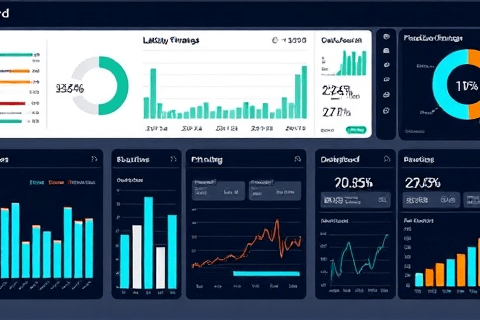
These are probably the most popular choice for a reason. They connect directly to your bank accounts, credit cards, and even investment portfolios, giving you a real-time snapshot of your financial life. Let Ethan explain why they’re so powerful:
- Mint: Free and fantastic for a birds-eye view. It categorizes your transactions automatically, tracks your spending, and even monitors your credit score. It’s excellent for beginners who want to dip their toes into budgeting without commitment.
- You Need A Budget (YNAB): This one’s a game-changer for those who are serious about giving every dollar a job. YNAB uses a zero-based budgeting philosophy, which means you assign every single dollar to a category. It has a steeper learning curve and a subscription fee, but many of my clients swear by its ability to transform their money habits. From Ethan’s experience, YNAB often helps people finally break the paycheck-to-paycheck cycle.
- Personal Capital: While it has budgeting features, its real strength lies in aggregating all your financial accounts (bank, investments, retirement) into one dashboard, offering net worth tracking and investment analysis. It’s like a financial command center, especially useful as your financial picture becomes more complex.
Practical Example: Let’s say you’re using Mint. You link your accounts, and within minutes, you see that you spent $400 on dining out last month, but only budgeted $200. This immediate feedback allows you to adjust for next month, maybe pack more lunches, or choose less expensive restaurants. It’s simple, direct, and incredibly effective.
2. Spreadsheet Budgeting (Excel, Google Sheets)
For the DIY enthusiast, or those who prefer ultimate customization, a good old spreadsheet is still king. I’ve built countless custom budgeting templates for clients over the years. Here’s what Ethan usually tells people:
- Pros: Completely free, infinitely customizable, forces you to be hands-on with your numbers, which can deepen your understanding.
- Cons: Requires manual entry (or importing transactions, then categorizing), steeper initial setup, no automatic syncing.
Ethan’s Tip: Start with a simple template. List your income, then list your fixed expenses (rent, loans). Next, estimate your variable expenses (groceries, entertainment). Track them diligently. It’s powerful because it makes you truly engage with your money.
Tackling Debt: Management & Tracking Tools
Debt can feel like a heavy anchor, pulling you down. But with the right tools, you can not only manage it but create a clear path to becoming debt-free. One thing Ethan has learned over the past 20 years is that the emotional burden of debt is often as heavy as the financial one, and seeing a plan can make all the difference.
1. Debt Reduction Calculators (Undebt.it, PowerPay)
These online tools help you visualize your debt repayment plan using strategies like the debt snowball or debt avalanche method. They show you exactly how much interest you’ll save and how quickly you can become debt-free by making extra payments or prioritizing certain debts.
Step-by-Step Advice: Input all your debts – balance, interest rate, minimum payment. The calculator then illustrates how applying extra funds to the smallest debt first (snowball) or the highest interest rate debt first (avalanche) will accelerate your repayment. A client once asked me, “Ethan, which one is better?” My answer? The one you stick with! For some, the quick wins of the snowball method provide the motivation they need.
2. Credit Monitoring Services (Credit Karma, Experian, FICO)
Keeping an eye on your credit is crucial for getting better rates on loans, mortgages, and even insurance. These services allow you to check your credit score regularly and alert you to any suspicious activity.
Why they matter: Identity theft is a real threat. Early detection of unauthorized activity on your credit report can save you immense headaches and financial losses. Plus, knowing your score helps you understand your financial health and areas for improvement.
Growing Your Wealth: Investing & Retirement Tools
Once you’ve got your budget in order and a handle on your debt, it’s time to put your money to work. This is where the magic of compounding really starts to shine. From Ethan’s experience, many people get intimidated by investing, but it doesn’t have to be complicated.
1. Online Brokerage Platforms (Fidelity, Vanguard, Charles Schwab)
These are your gateways to the stock market, mutual funds, ETFs, and more. They offer a wide range of investment options, research tools, and often educational resources.
- For the DIY Investor: If you enjoy doing your own research and managing your portfolio, these platforms give you the control you need. You can buy individual stocks, bonds, or build diversified portfolios with low-cost index funds.
- Low-Cost Investing: Many offer commission-free trading on stocks and ETFs, and a vast selection of low-expense-ratio mutual funds.
2. Robo-Advisors (Betterment, Acorns, Wealthfront)
For those who want a hands-off approach to investing, robo-advisors are fantastic. They build and manage a diversified portfolio for you based on your risk tolerance and financial goals, all for a low annual fee. Here’s the interesting part:
- Automation: They automatically rebalance your portfolio and reinvest dividends, ensuring you stay on track without lifting a finger.
- Low Minimums: Many have very low minimum investment requirements, making investing accessible to beginners.
- Goal-Oriented: You tell them your goals (retirement, buying a house), and they’ll suggest a portfolio to get you there.
Ethan’s Anecdote: One mistake I’ve seen many beginners make is trying to pick individual stocks without understanding diversification. Robo-advisors solve this by instantly providing a well-diversified portfolio tailored to your needs, which is a huge advantage for long-term growth.
3. Retirement Calculators
These tools help you project how much you need to save to retire comfortably. They take into account your current savings, contributions, expected returns, and desired retirement lifestyle. Now think about this for a moment: knowing your target makes saving much more tangible and motivating.
Big Picture Planning: Financial Planning & Net Worth Trackers
Beyond daily budgeting and investing, you need tools that help you see your entire financial landscape and plan for major life events.
1. Net Worth Trackers (Personal Capital, manually in a spreadsheet)
Your net worth is a key indicator of your financial health – it’s your assets minus your liabilities. Tracking it over time shows you tangible progress. Personal Capital is excellent for this, as it aggregates all your accounts. Ethan would personally recommend tracking this at least quarterly.
Why it’s empowering: Seeing your net worth grow over time, even slowly, is incredibly motivating. It connects your daily financial decisions to your long-term wealth building.
2. Goal-Specific Calculators (Mortgage, College Savings, Loan Repayment)
Many financial websites offer free calculators for specific goals. These can help you determine how much you need to save for a down payment, how much a mortgage payment will be, or how long it will take to pay off a student loan. They’re invaluable for planning major financial moves.
Building Resilience: Emergency Fund & Savings Tools
An emergency fund is the bedrock of your financial security. Without it, one unexpected car repair or medical bill can derail all your other progress.
1. High-Yield Savings Accounts (Ally Bank, Marcus by Goldman Sachs, Discover Bank)
These online banks offer significantly higher interest rates than traditional brick-and-mortar banks, allowing your emergency fund and other short-term savings to grow faster. They’re FDIC-insured, just like traditional banks, so your money is safe.
Ethan’s Advice: Set up automated transfers from your checking account to your high-yield savings account every payday. Out of sight, out of mind – and your emergency fund grows without you having to think about it.
Protecting Your Future: Credit & Identity Protection
Your financial health isn’t just about growth; it’s also about protection.
1. Annual Credit Report.com
This is the only federally authorized website where you can get a free copy of your credit report from each of the three major credit bureaus (Equifax, Experian, TransUnion) once every 12 months. Reviewing these reports is essential for catching errors and fraudulent activity early.
Actionable Step: Pull one report every four months. That way, you’re constantly monitoring your credit throughout the year without paying a dime. If Ethan had to stress one simple preventative measure, this would be high on the list.
Choosing Your Arsenal: How to Select the Right Tools
With so many options, how do you pick? From Ethan’s experience, it comes down to a few key principles:
- Simplicity: Start simple. Don’t overwhelm yourself with too many complex tools at once. Master one or two before adding more.
- Integration: Look for tools that play well together or integrate with each other, reducing manual effort.
- Security: Always prioritize tools with robust security measures, including two-factor authentication and strong encryption.
- Cost: Many excellent tools are free, or offer free basic versions. Only pay for features you truly need and will use.
- Your Comfort Level: If you’re tech-savvy, apps are great. If you prefer pen and paper, that works too! The best tool is the one you’ll actually use consistently.
Your Financial Journey: It’s About Action, Not Perfection
My friend, navigating your financial journey doesn’t require you to be a Nobel laureate in economics. It requires consistent action, a willingness to learn, and the courage to use the tools available to you. These financial tools aren’t magic wands, but they are incredibly powerful levers that can help you steer your financial ship with confidence.
The biggest hurdle isn’t the complexity of the tools; it’s often the inertia of getting started. Pick one tool from this list that resonates with you, give it a try, and commit to using it for a month. You might be surprised at how quickly your financial clarity improves, and how much closer you feel to achieving your money goals.
Remember, building wealth and making smarter money decisions is a marathon, not a sprint. Equip yourself well, stay the course, and you’ll reach your financial finish line.
Author: EthanBrooks
Word Count: 1873