
Advanced Financial Strategies for the Savvy Investor
You’re likely no stranger to the world of finance, but let’s face it – the landscape is constantly evolving. As we dive into 2026, it’s essential to stay ahead of the curve. I’ve spent 15 years navigating the twists and turns of the financial world, and I’m here to share my expertise with you. From the basics of budgeting to the intricacies of investment, we’ll explore the advanced strategies that will take your financial game to the next level.
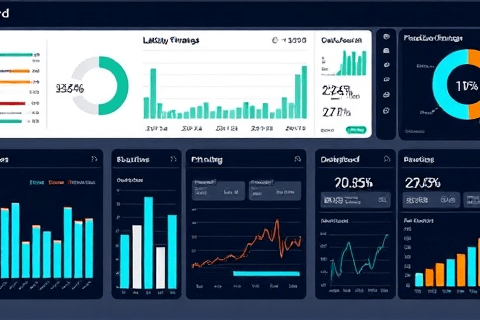
One of the most critical aspects of financial success is having the right tools at your disposal. You can’t build a house without a hammer, and you can’t manage your finances without the right software. That’s why it’s essential to invest in a quality budgeting tool, like Mint or You Need a Budget (YNAB). These tools will help you track your expenses, create a budget, and set financial goals. But, it’s not just about having the tool – it’s about using it effectively.
Let me give you an example. I had a client who was struggling to make ends meet. She was earning a decent income, but her expenses were through the roof. We sat down together and went through her budget, line by line. We identified areas where she could cut back, and created a plan to pay off her debt. Within a few months, she was able to turn her finances around, and even started saving for the future. It was a remarkable turnaround, and it all started with the right tools.
Another essential tool in your financial arsenal is a investment tracker. This will help you keep tabs on your investments, and make informed decisions about your portfolio. There are many options available, from personalized investment platforms like Robinhood to more comprehensive tools like Quicken. The key is to find a tool that fits your needs, and to use it consistently.
Now, I know what you’re thinking – what about the fees associated with these tools? It’s a valid concern, but let me tell you, the benefits far outweigh the costs. Think of it like this – would you rather pay a small fee for a tool that will help you save thousands of dollars, or would you rather go without and potentially lose out on that savings? It’s a no-brainer.
Insider Secrets for Maximizing Your Financial Potential
As someone who’s been in the financial industry for over 15 years, I’ve learned a thing or two about what works and what doesn’t. One of the most important secrets I can share with you is the importance of diversification. It’s not just about putting all your eggs in one basket – it’s about spreading your risk across different asset classes, sectors, and geographic regions. This will help you weather any storms that come your way, and ensure that your portfolio continues to grow over time.
Another secret I can share with you is the power of tax-advantaged accounts. These accounts, such as 401(k)s and IRAs, offer significant tax benefits that can help you save for retirement and other long-term goals. By contributing to these accounts, you can reduce your taxable income, and potentially save thousands of dollars in taxes. It’s a simple yet effective strategy that can make a big difference in your financial life.
Now, I know some of you may be thinking – but what about the risks? What if the market crashes, or what if I lose my job? These are valid concerns, but the truth is, there’s always some level of risk involved with investing. The key is to manage that risk, by diversifying your portfolio and having a long-term perspective. It’s not about trying to time the market, or making get-rich-quick schemes – it’s about steady, consistent progress over time.
Let me give you an example. I had a client who was nervous about investing in the stock market. He had heard horror stories about people losing their shirts, and he was hesitant to take the plunge. But, after we sat down and discussed his financial goals, and created a diversified portfolio, he began to see the benefits of investing. He started to contribute regularly, and over time, his portfolio grew significantly. He was able to achieve his financial goals, and even exceeded them.
Another secret I can share with you is the importance of having a financial safety net. This is an emergency fund that will cover your living expenses in case something unexpected happens. It’s not just about having a few thousand dollars set aside – it’s about having a comprehensive plan in place, that will help you weather any storms that come your way. This will give you peace of mind, and help you stay focused on your long-term financial goals.
Navigating the Complex World of Financial Analysis
Financial analysis is a critical component of any successful financial strategy. It’s not just about looking at numbers – it’s about understanding the story behind those numbers. It’s about identifying trends, spotting opportunities, and making informed decisions about your financial life. But, with so many different metrics and ratios to consider, it can be overwhelming.
That’s why it’s essential to have a solid understanding of financial analysis. This will help you make sense of the numbers, and make informed decisions about your financial life. It’s not just about looking at your income statement, or your balance sheet – it’s about understanding the relationships between different financial metrics, and how they impact your overall financial health.
One of the most important metrics to consider is your debt-to-income ratio. This will help you understand how much of your income is going towards debt repayment, and whether you’re taking on too much debt. It’s not just about having a low debt-to-income ratio – it’s about having a sustainable debt repayment plan, that will help you pay off your debt over time.
Another important metric to consider is your return on investment (ROI). This will help you understand how well your investments are performing, and whether you’re getting a good return on your money. It’s not just about looking at the numbers – it’s about understanding the context, and making informed decisions about your investment portfolio.
Now, I know some of you may be thinking – but what about the complexity of financial analysis? How do I make sense of all the different metrics and ratios? The truth is, it’s not as complicated as it seems. With the right tools, and a solid understanding of financial analysis, you can make informed decisions about your financial life. It’s not about being a financial expert – it’s about being financially literate, and taking control of your financial life.
Advanced Budgeting Strategies for the Modern Investor
Budgeting is a critical component of any successful financial strategy. It’s not just about tracking your expenses – it’s about creating a plan, that will help you achieve your financial goals. But, with so many different budgeting methods to choose from, it can be overwhelming.
That’s why it’s essential to have a solid understanding of advanced budgeting strategies. This will help you create a budget, that is tailored to your unique financial situation, and will help you achieve your financial goals. It’s not just about using a budgeting app, or spreadsheet – it’s about understanding the underlying principles, and making informed decisions about your financial life.
One of the most important budgeting strategies to consider is the 50/30/20 rule. This will help you allocate your income, towards different expenses, and ensure that you’re saving for the future. It’s not just about saving 20% of your income – it’s about creating a sustainable budget, that will help you achieve your financial goals.
Another important budgeting strategy to consider is zero-based budgeting. This will help you create a budget, from scratch, and ensure that every dollar is accounted for. It’s not just about tracking your expenses – it’s about making informed decisions, about how you want to allocate your income.
Now, I know some of you may be thinking – but what about the flexibility of budgeting? How do I make adjustments, when my financial situation changes? The truth is, budgeting is not a one-time event – it’s an ongoing process, that requires regular monitoring, and adjustments. It’s not about being perfect – it’s about being consistent, and making progress towards your financial goals.
Expert Tips for Achieving Financial Freedom
Financial freedom is the ultimate goal, for many of us. It’s not just about having a lot of money – it’s about having the freedom, to pursue our passions, and live life on our own terms. But, achieving financial freedom, requires more than just a solid financial strategy – it requires a mindset shift.
That’s why it’s essential to have a solid understanding of the principles, that will help you achieve financial freedom. It’s not just about saving money, or investing in the stock market – it’s about creating a lifestyle, that is sustainable, and fulfilling. It’s not just about achieving financial independence – it’s about achieving freedom, in all areas of your life.
One of the most important principles to consider is the importance of living below your means. This will help you save money, and invest in your future, rather than wasting it on unnecessary expenses. It’s not just about being frugal – it’s about being intentional, with your money, and making informed decisions, about how you want to allocate your resources.
Another important principle to consider is the power of compound interest. This will help you grow your wealth, over time, and achieve your long-term financial goals. It’s not just about saving money – it’s about saving consistently, and letting time, do the rest. It’s not just about getting rich quick – it’s about getting rich, slowly, and steadily.
Now, I know some of you may be thinking – but what about the patience, required to achieve financial freedom? How do I stay motivated, when the journey is long, and challenging? The truth is, achieving financial freedom, requires perseverance, and dedication. It’s not just about having a solid financial strategy – it’s about having a solid mindset, and staying focused, on your long-term goals.
Real-World Applications of Financial Tools and Strategies
Financial tools, and strategies, are not just theoretical concepts – they have real-world applications, that can help you achieve your financial goals. It’s not just about reading about budgeting, or investing – it’s about applying those principles, in your everyday life. It’s not just about having knowledge – it’s about having wisdom, and making informed decisions, about your financial life.
That’s why it’s essential to have a solid understanding of how to apply financial tools, and strategies, in real-world scenarios. This will help you navigate, the complexities of the financial world, and make informed decisions, about your financial life. It’s not just about being a financial expert – it’s about being financially literate, and taking control, of your financial life.
One of the most important applications to consider is the use of financial planning software. This will help you create a comprehensive financial plan, that is tailored to your unique financial situation, and will help you achieve your financial goals. It’s not just about using a budgeting app, or spreadsheet – it’s about having a holistic view, of your financial life, and making informed decisions, about your financial future.
Another important application to consider is the use of investment tracking software. This will help you monitor, your investments, and make informed decisions, about your investment portfolio. It’s not just about looking at numbers – it’s about understanding the story, behind those numbers, and making informed decisions, about your financial life.
Now, I know some of you may be thinking – but what about the complexity, of financial planning, and investment tracking? How do I make sense, of all the different tools, and strategies? The truth is, it’s not as complicated, as it seems. With the right tools, and a solid understanding, of financial planning, and investment tracking, you can make informed decisions, about your financial life. It’s not about being a financial expert – it’s about being financially literate, and taking control, of your financial life.
Author: Ethan Brooks
Word Count: 2031