Hey, Future Millionaire (or Just Someone Who Wants Less Money Stress)!
Let’s be real for a second. Money can feel like a really complex beast, right? One minute you’re riding high, the next you’re staring at your bank balance wondering where it all went. It’s a feeling I know all too well. I remember when my finances felt like a tangled mess of receipts, vague statements, and a whole lot of ‘I’ll deal with it later’ moments. It wasn’t until I truly embraced the power of financial tools that everything started to click.
Think of it this way: you wouldn’t try to build a house with just your bare hands, would you? You’d grab a hammer, a saw, a measuring tape. Your personal finances are no different. To build a strong financial future, you need the right instruments. And today, my friend, we’re going to dive deep into that toolkit. This isn’t just about pointing you to some apps; it’s about showing you how to genuinely use these resources to build a fortress around your money, smash your goals, and finally breathe a little easier.
So, what exactly are we talking about when we say “financial tools”? Broadly speaking, they’re any resource – digital or old-school – that helps you manage, track, analyze, plan, and grow your money. They’re the unsung heroes that turn financial confusion into clarity, and vague aspirations into concrete plans. Ready to get started?
The Cornerstone: Budgeting & Expense Tracking Tools
If you take nothing else from this article, take this: you absolutely cannot manage what you don’t measure. Budgeting and expense tracking aren’t about restriction; they’re about awareness and empowerment. It’s like mapping out a road trip – you need to know where you are, where you want to go, and how much gas you’ll need.
Old-School Savvy: Spreadsheets & Notebooks
Before the apps took over, I started with a simple notebook. Every penny in, every penny out. It was tedious, sure, but incredibly eye-opening. You can still do this! A spreadsheet, like Google Sheets or Excel, offers a fantastic, free way to track. You set up categories (income, housing, food, transportation, entertainment, savings) and simply plug in the numbers. The beauty? It forces you to be hands-on with your money.
- Step-by-step Spreadsheet Budgeting:
- Set up columns: Date, Transaction Description, Category, Amount (Spent/Received), Running Balance.
- List your monthly income: At the top, a clear picture of what you have coming in.
- Estimate your fixed expenses: Rent/mortgage, loan payments, subscriptions. These are predictable.
- Track your variable expenses: This is where the magic happens. Every coffee, every grocery run, every online purchase. Categorize diligently.
- Review regularly: At the end of each week or month, look at your categories. Where did you overspend? Where could you save?
Real-world example: I once thought I was pretty frugal with dining out. My spreadsheet revealed I was actually spending nearly $400 a month on restaurant food and takeout. That eye-opener alone was enough to shift habits and free up serious cash for other goals.
The Modern Marvels: Budgeting Apps
For most of us today, budgeting apps are a godsend. They link directly to your bank accounts and credit cards, automatically categorizing transactions (though you’ll often need to fine-tune this). They remove a huge chunk of the manual effort.
- Popular Choices:
- Mint: Free, great for an overview of all your accounts, spending trends, and alerts.
- You Need A Budget (YNAB): A paid app with a cult following. It follows a zero-based budgeting philosophy, meaning every dollar has a job. It’s incredibly powerful for changing financial behavior.
- Personal Capital: Excellent for tracking net worth, investments, and cash flow, offering a holistic view.
- Rocket Money (formerly Truebill): Fantastic for identifying and canceling unwanted subscriptions, managing bills, and monitoring spending.
- Step-by-step Using an App (e.g., YNAB or Mint):
- Choose your app: Download it and create an account. Read reviews to find one that aligns with your style.
- Link your accounts: Securely connect your checking, savings, credit cards, and even investment accounts.
- Categorize transactions: The app will try, but you’ll often need to correct or create custom categories. Be consistent!
- Set your budget: Allocate funds to different categories. With YNAB, this is literally giving every dollar a job. With Mint, it’s setting spending limits.
- Monitor and adjust: Check in frequently. Are you hitting your targets? Is a category consistently over budget? Adjust as needed – life happens!
The key here isn’t just picking a tool; it’s using it consistently. Automation is great, but your active engagement is what truly brings about change.
Building Wealth: Investing Tools
Once you’ve got a handle on your spending and are even squirreling away some savings, it’s time to make your money work harder for you. This is where investing comes in, and thankfully, there are incredible tools to help even beginners get started.
The Set-It-And-Forget-It Approach: Robo-Advisors
If the world of stocks, bonds, and ETFs feels overwhelming, robo-advisors are your best friend. They use algorithms to build and manage a diversified portfolio based on your risk tolerance and financial goals. Low fees, automated rebalancing, and fractional shares make them highly accessible.
- Popular Choices: Betterment, Wealthfront, M1 Finance (a hybrid with more control).
- Step-by-step with a Robo-Advisor:
- Choose your platform: Compare fees, features, and minimum investment requirements.
- Answer the questionnaire: This helps the robo-advisor understand your risk tolerance (e.g., how comfortable are you with market ups and downs?) and your financial goals (retirement, house down payment, etc.).
- Fund your account: Link your bank account and transfer funds. Set up recurring deposits – consistency is paramount for long-term growth.
- Let it work: The robo-advisor will invest your money in a diversified portfolio and automatically rebalance it to stay aligned with your goals.
Personal anecdote: I started my investing journey with a full-service advisor, which was expensive. When robo-advisors came out, I moved a portion of my portfolio to Betterment. The fees were significantly lower, and the performance was comparable. It showed me the power of cost-effective, automated investing.
For the Hands-On Investor: Online Brokerage Platforms
If you want more control, research individual stocks, or build your own portfolio of ETFs and mutual funds, an online brokerage is what you need. These platforms provide the tools to execute trades and often offer a wealth of research.
- Popular Choices: Fidelity, Vanguard, Charles Schwab, E*TRADE, TD Ameritrade (now Schwab).
- Step-by-step with an Online Brokerage:
- Open an account: Choose between a taxable brokerage account, Roth IRA, Traditional IRA, etc., depending on your goals.
- Fund the account: Transfer money from your bank.
- Research: This is the crucial part. Use the platform’s research tools, screeners, and educational resources to identify potential investments. Look for companies you understand, with strong financials and growth potential.
- Place a trade: Decide how many shares or what dollar amount you want to invest, and click ‘buy’. Start small!
- Monitor and learn: Don’t just set it and forget it here. Keep an eye on your investments and continue to educate yourself.
Deep Value Tip: Many online brokerages offer commission-free trading for stocks and ETFs, making it easier than ever to build a diversified portfolio without racking up fees. Always check the expense ratios on ETFs and mutual funds!
Conquering Debt: Debt Management Tools
Debt can feel like a heavy anchor. But with the right approach and a few clever tools, you can cut those ropes and sail towards financial freedom. Managing debt effectively isn’t just about paying it off; it’s about strategizing the fastest, most efficient way to do it.
Debt Payoff Calculators
These simple online tools can be incredibly motivating. You input your current debt balances, interest rates, and minimum payments, and the calculator shows you how quickly you could pay off your debt by adding even a small amount to your payments. It can also illustrate the difference between the debt snowball (paying smallest balance first) and debt avalanche (paying highest interest rate first) methods.
- How to use one: Google “debt payoff calculator” and use one from a reputable source like NerdWallet or Bankrate. Input your numbers honestly. Play around with extra payment amounts – you might be surprised at the impact!
- Actionable insight: Seeing that an extra $50 a month could shave two years off your credit card debt and save you thousands in interest is a powerful motivator.
Credit Monitoring Services
Your credit score is a crucial financial asset. It impacts everything from loan approvals to apartment rentals. Tools like Credit Karma, Credit Sesame, and the free services offered by credit bureaus (Experian, TransUnion, Equifax) allow you to keep an eye on your score and credit report.
- What they offer: Regular updates to your credit score, alerts for suspicious activity, and insights into factors affecting your score.
- Step-by-step: Sign up for a free service. Review your credit report regularly for errors. Understand the impact of payments, utilization, and inquiries.
Personal anecdote: Years ago, I found an error on my credit report – a paid-off account was still showing as open. Correcting it was simple and gave my score a nice bump. You can’t fix what you don’t know about!
Future-Proofing Your Finances: Financial Planning & Goal Setting Tools
It’s not enough to just manage today’s money; you need to plan for tomorrow’s dreams. Whether it’s retirement, a down payment on a house, or your kids’ education, dedicated planning tools make those big goals feel achievable.
Retirement Calculators
These tools help you estimate how much money you’ll need to save for retirement and whether you’re on track. They factor in your age, current savings, contributions, expected returns, and desired retirement income.
- Where to find them: Most major financial institutions (Fidelity, Vanguard) offer robust free calculators, as do independent sites like Bankrate or NerdWallet.
- How to use: Input your details honestly. Play with different scenarios – what if you save an extra $100 a month? What if you retire a few years later? This visualizes the impact of your decisions.
Net Worth Trackers
Your net worth (assets minus liabilities) is the ultimate scorecard of your financial health. Tools like Personal Capital excel at this, consolidating all your accounts (bank, investments, property, loans) to give you a real-time snapshot of your financial standing. Seeing that number grow (or shrink) can be a powerful motivator.
Goal-Specific Calculators
Need to save for a down payment? A college fund? A dream vacation? There are calculators for almost every financial goal. They help you break down a large goal into manageable monthly savings targets, making the process less daunting.
Streamlining Daily Money: Banking & Payment Tools
Even your everyday banking can be optimized with the right tools, making transactions smoother and often putting more money in your pocket.
Online Banking & High-Yield Savings Accounts
Gone are the days of needing to physically visit a bank branch for every transaction. Most banks now offer fantastic online and mobile apps for checking balances, paying bills, transferring money, and depositing checks. Pair this with a high-yield online savings account (often found at online-only banks) to earn significantly more interest on your emergency fund or short-term savings compared to traditional brick-and-mortar banks.
Digital Payment Apps
Tools like Venmo, Zelle, and PayPal have revolutionized how we split bills, send money to friends, or pay small businesses. They offer convenience but always be mindful of security and only send money to people you trust.
Choosing Your Arsenal: Finding the Right Tools for YOU
Alright, that’s a lot of tools! You might be thinking, “How do I even pick?” Here’s my advice, friend:
- Start Simple: Don’t try to implement everything at once. Pick one or two areas where you feel the most pain or have the biggest curiosity. For most people, that’s budgeting.
- Define Your Goals: What do you want these tools to help you achieve? Are you paying off debt? Saving for a house? Investing for retirement? Your goals will dictate which tools are most relevant.
- Consider Your Comfort Level: Are you a tech wizard who loves all the bells and whistles, or do you prefer something simple and straightforward? There’s no wrong answer, just a better fit for you.
- Factor in Cost: Many excellent tools are free (Mint, Credit Karma, bank apps). Others, like YNAB or certain investment platforms, have fees. Weigh the cost against the value they provide.
- Security First: Always ensure any app or platform you use has robust security measures, including two-factor authentication. Your financial data is precious.
Putting It All Together: Your Integrated Financial Ecosystem
The real power of financial tools emerges when you don’t just use them in isolation, but integrate them into a cohesive system. Imagine your budgeting app feeding into your investment plan, which in turn influences your debt payoff strategy. It’s all connected!
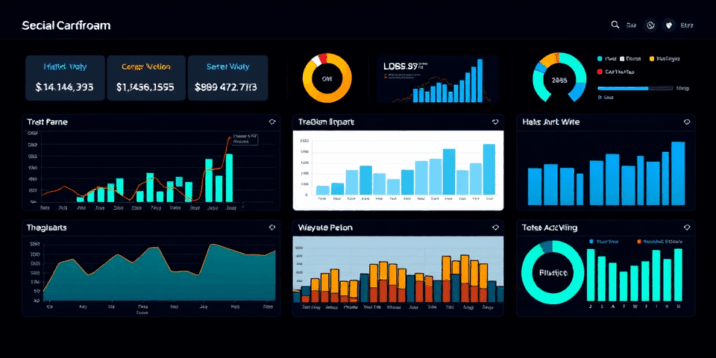
Think of it as building your personal financial dashboard. Personal Capital is great for this, as it aggregates nearly all your financial accounts into one visual representation. Regularly review this dashboard. Just as you check the dashboard in your car before a long drive, take a moment each week or month to check your financial dashboard.
This regular check-in isn’t just about numbers; it’s about staying connected to your goals, celebrating small wins, and adjusting your course when life throws a curveball. And trust me, life *will* throw curveballs.
Beyond the Gadgets: The Human Element
It’s vital to remember that financial tools are just that – tools. They are incredibly powerful enablers, but they aren’t magic wands. They won’t make you financially independent overnight. They won’t spend less money for you, or force you to invest more.
The most important financial tool you possess is your own discipline, your financial literacy, and your commitment to your future. These apps and platforms simply provide the data, the insights, and the automation to make *your* job easier and more effective.
Educate yourself. Read books, listen to podcasts, follow reputable financial bloggers (like me, hopefully!). The more you understand how money works, the better you’ll be able to wield these tools.
Your Next Step: Just Start!
I hope this deep dive into the world of financial tools has sparked something in you. Maybe it’s a desire to finally tackle that debt, or perhaps to get serious about investing. Whatever your financial goals, there’s a tool out there that can help you achieve them.
Don’t get bogged down in finding the ‘perfect’ tool; just find one that feels right and give it a try. The greatest value isn’t in downloading an app; it’s in the consistent action and the insights you gain from using it. So, what are you waiting for? Pick a tool, any tool, and start building the financial future you truly deserve. You’ve got this!
Author: NathanWalker
Word Count: 2433